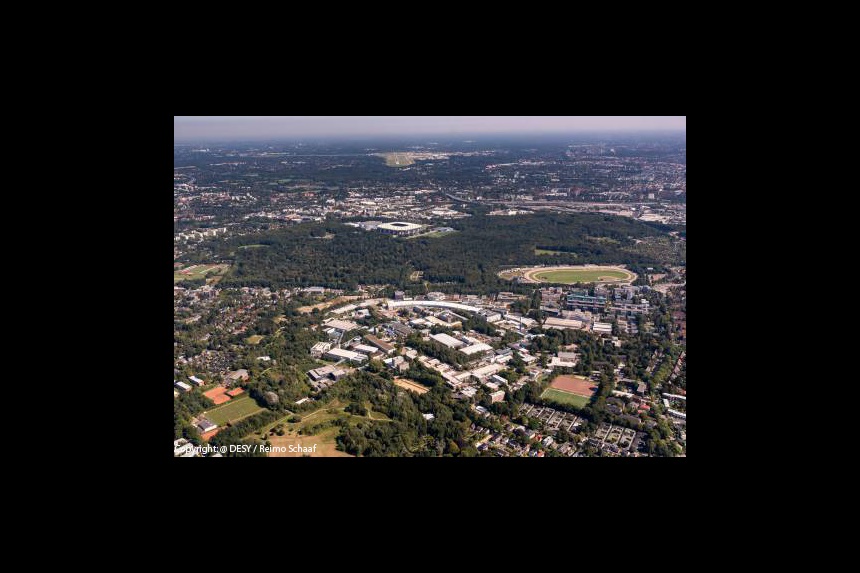
The research center Deutsches Elektronen-Synchrotron (DESY) has reduced the operating pressure for helium containers in the cooling system of the electron accelerator. However, the back pressures occurring in the blow-off systems could not be reduced to the same extent. As a result, the back pressure ratios for the existing spring-loaded safety valves were now unacceptably high at 60 percent. Since the set pressure is only 0.5 bar, standard bellows or pilot-operated Safetys valves were not an option. In addition, the helium plant has to be protected against very low temperatures of -273 °C. Another requirement: Adaptations to the existing plant were to be kept as small as possible.
The right solution from a wide range of configurations
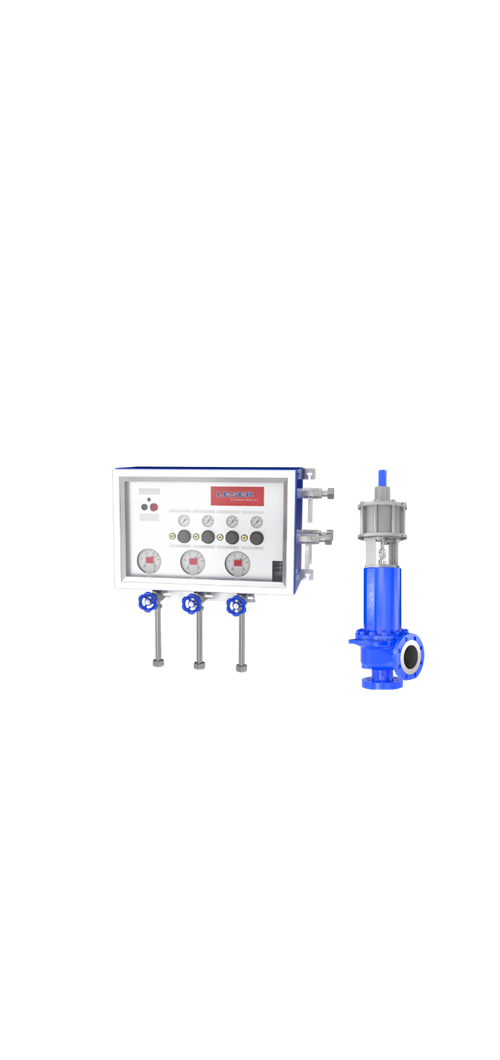
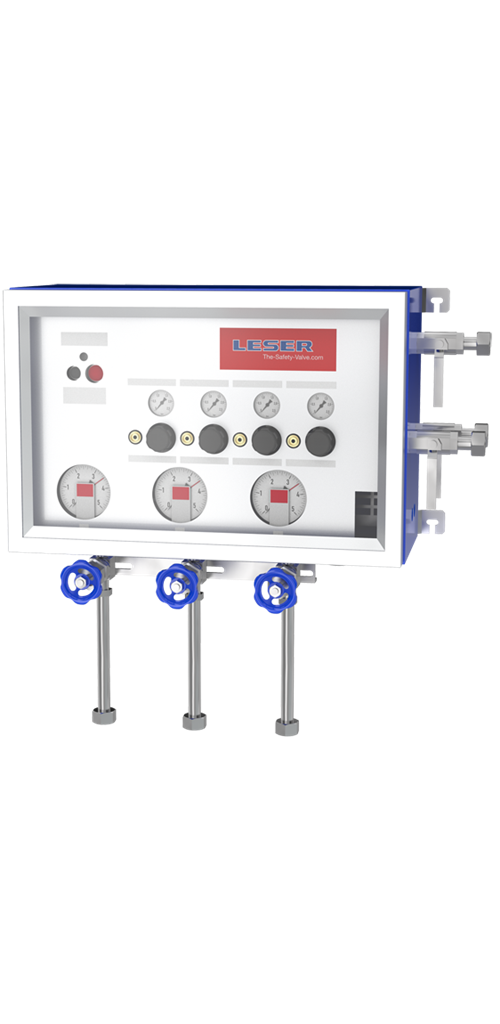
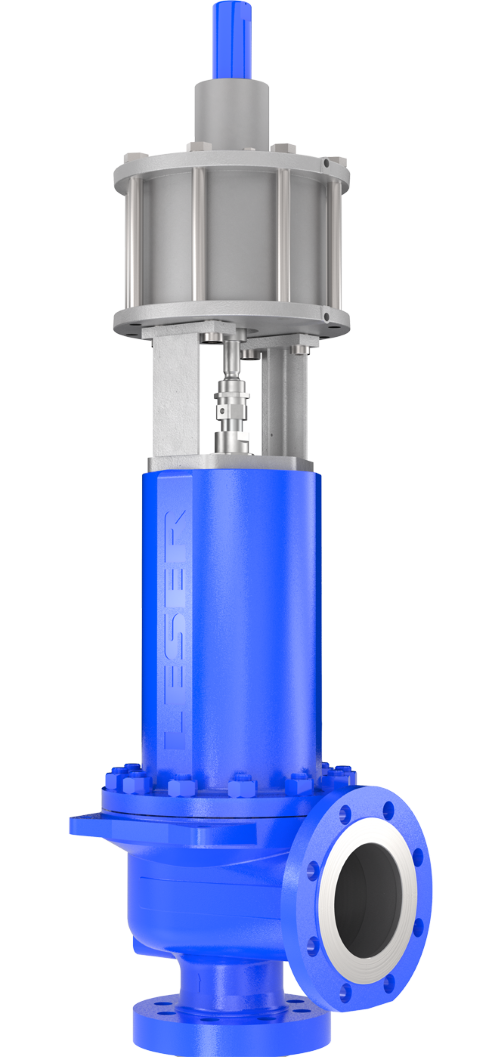
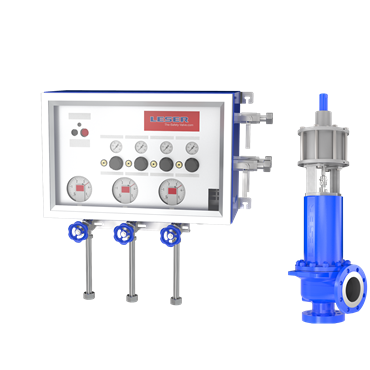
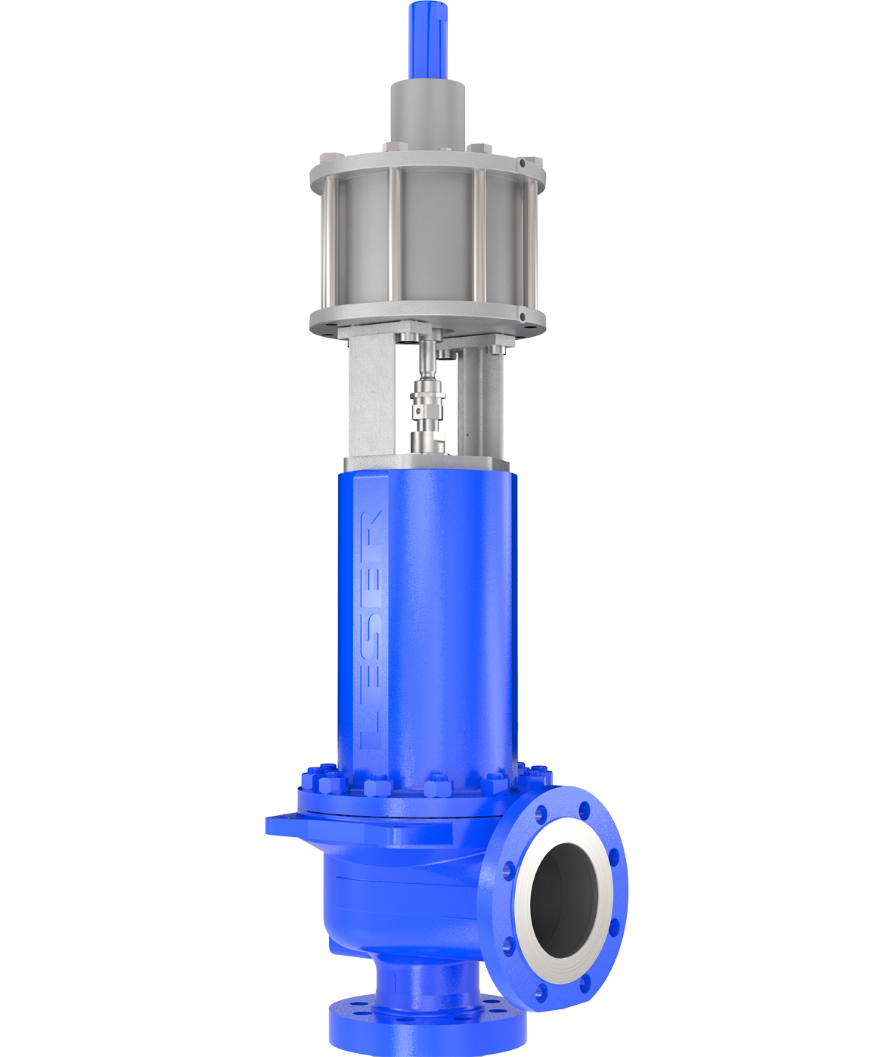
LESER was able to offer the additional load as a solution to the DESY problem and thus won the tender for the project. With the additional load, a spring-loaded Safetys valve receives a drive for additional closing force. Air is used to build up pressure in a pneumatic piston as an extension of the spindle . During normal operation of the system, this pressure - together with the spring - counteracts the operating pressure under the disc .
The Safetys valves with pneumatic additional load have a higher tightness due to the greater closing force: they are tight up to the set pressure . This allows the system pressure to be increased. In the event of response, the valve is open for a shorter time due to the reduced opening or blowdown pressure difference . This reduces media loss. "We are very satisfied with the solution we selected with LESER ," says Dieter Mross, who is responsible for the project at DESY. "By making just a few adjustments, we were not only able to retrofit the existing system, but also to improve it significantly."